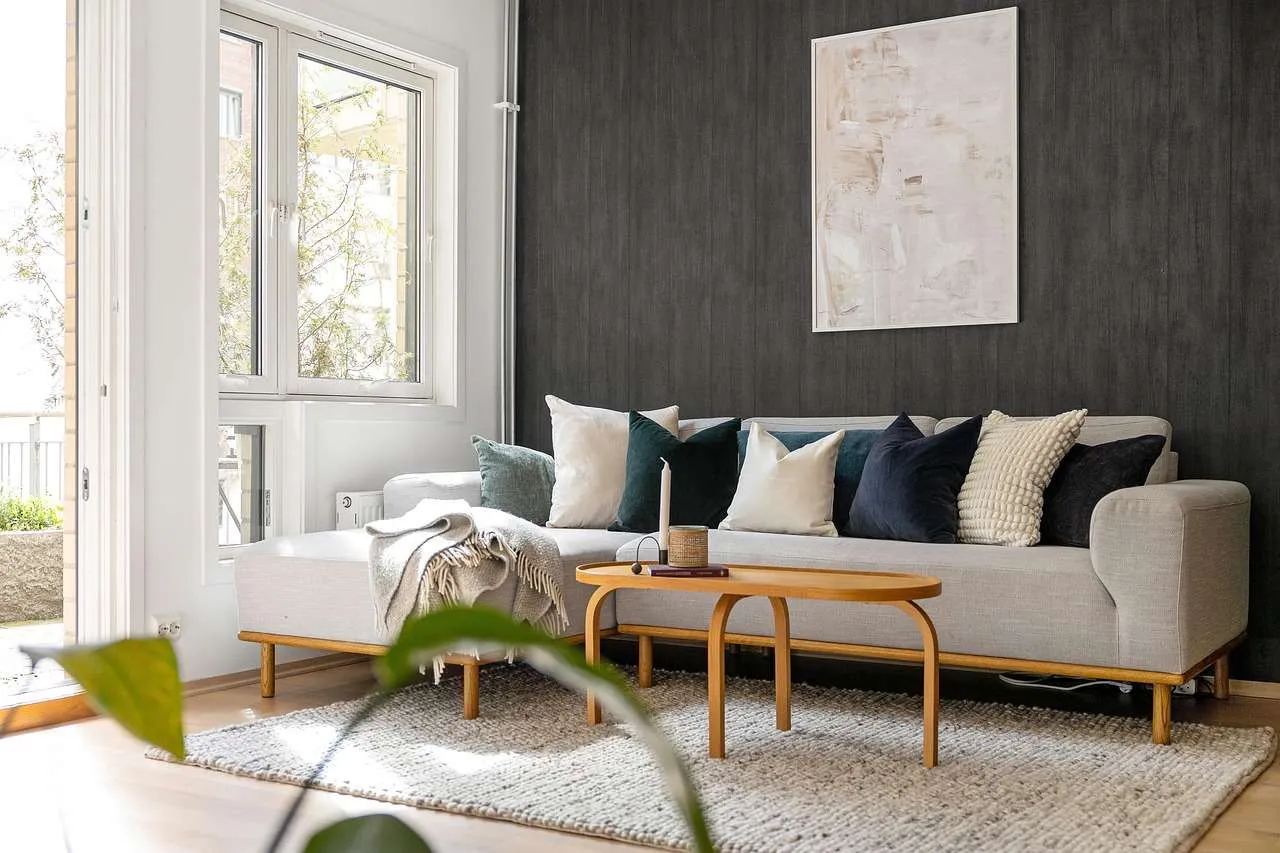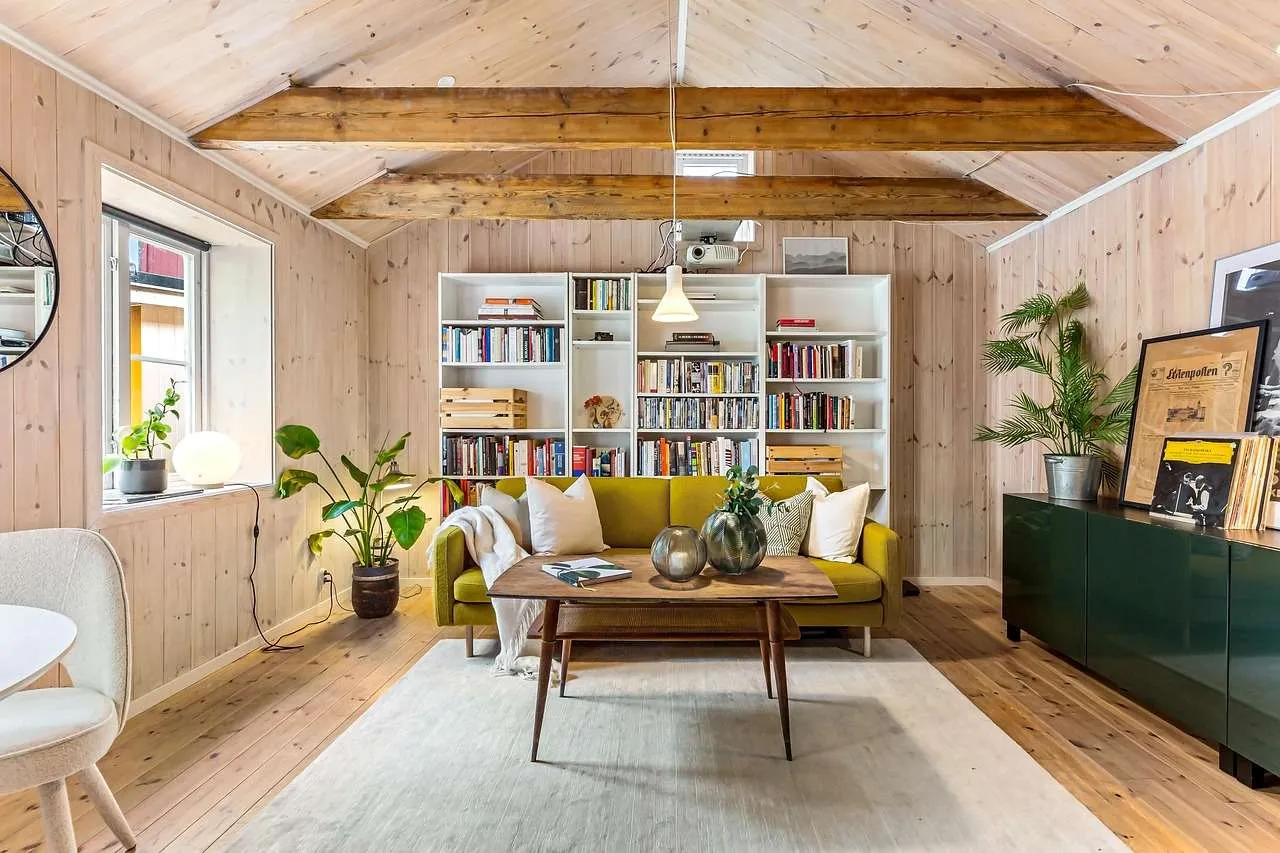
If you’re searching for home window tinting near me, you’re likely seeking a local, trusted installer who can improve comfort, protect interiors, and save energy. Local professionals understand regional climate, common window types, and building codes, which helps you get accurate estimates and reliable results.
Why Local Window Tinting Matters
Choosing a nearby installer offers faster service, easier follow-ups, and streamlined warranty claims. Local companies often provide transparent pricing, on-site assessments, and quicker scheduling. From a trust perspective, you can verify licenses, view local reviews, and request nearby samples to assess color and transparency before commitment.
When evaluating a local tinting company, prioritize credibility, consistency, and communication. Look for a provider with:
- Proper licensing and insurance
- A written warranty on both film and installation
- Certified installers and proof of product authenticity
- Clear, itemized quotes and realistic timelines
- Accessible customer references from nearby projects
What to Look For When Searching for Home Window Tinting Near Me
To ensure the best outcome, consider the film type, performance metrics, and installation practices. Ask potential installers about:
- Film type options (ceramic, carbon, dyed, metalized) and which suits your goals
- Visible light transmission (VLT) and total solar energy rejected (TSER)
- UV rejection rates to protect furnishings and skin exposure
- Warranty length and what it covers (application, fading, bubbling)
- Sample windows or a demonstration of tones in daylight
Types of Window Tint and Their Benefits
Residential window tinting comes in several formulations, each with distinct advantages. Below is a quick overview to help you decide which might best fit your home and climate.
Ceramic Tint
Ceramic films are non-conductive, optically clear, and highly effective at rejecting heat and UV without adding reflective glare. They preserve natural color and offer strong durability, making them a popular choice for energy savings and long-term value.
Carbon Tint
Carbon films reduce glare and provide good heat rejection while maintaining a darker, uniform appearance. They do not contain metals, which minimizes interference with electronics and GPS systems inside the home.
Dyed Tint
Dyed films are budget-friendly and provide decent glare reduction and privacy. They may not offer the same UV protection or long-term color stability as ceramic or carbon films and can fade over time.
Metalized Tint
Metalized films add metallic particles that boost heat rejection and strength. However, they can cause signal interference with certain devices and may add a noticeable reflectivity from the outside, depending on the angle and lighting.
Energy Savings and UV Protection
Choosing the right tint can trim cooling costs by reducing solar heat gain, especially in hot climates. High-quality films block up to 99% of UV rays, protecting carpets, furniture, and artwork from fading. The best performing options (often ceramic or carbon) balance light transmission with heat rejection, maintaining daylight quality while lowering glare.
Installation Process and Maintenance
Professional installation typically follows these steps: an on-site consultation, precise measuring and film selection, surface cleaning and prep, careful cutting and squeegeeing to avoid air pockets, and a curing period during which windows should remain untouched. After installation, avoid ammonia-based cleaners and abrasive tools that could scratch or peel the film. Regular light cleaning with a soft cloth will keep tint looking clear and uniform for years.
Pricing and ROI
Pricing varies by film type, window size, and labor, but most homeowners see a solid ROI through energy savings and furniture protection. General ranges often fall between budget dyed films and premium ceramic options. When comparing quotes, request a breakdown that includes film cost, labor, warranty terms, and any potential aftercare products. An informed choice considers long-term savings rather than upfront price alone.
How to Find the Best Home Window Tinting Near Me
To locate the best local provider, start with a targeted search, read reviews from nearby customers, and verify online licenses or certifications. Gather quotes from three to five installers, ask for in-home demonstrations or sample windows, and confirm the installation timeline. A reputable local company will offer written agreements, post-installation support, and a clear warranty policy.
Comparison of Tint Types
| Tint Type | Light Transmission | UV Rejection | Heat Rejection | Pros | Cons |
|---|---|---|---|---|---|
| Ceramic | High | Very High | Excellent | Non-metallic, preserves view, durable | Higher upfront cost |
| Carbon | Medium-High | High | Good | Dark appearance, avoids glare | Moderate price |
| Dyed | Medium | Moderate | Variable | Cost-effective, quick install | Fades over time, less UV protection |
| Metalized | Medium | High | Excellent | Strong heat rejection, added durability | Possible electronics interference |
Conclusion
Conclusion, finding a trusted home window tinting near me means balancing film type, price, and local expertise. Look for licensed installers, transparent warranties, and tangible samples. Compare energy savings, UV protection, and impact on comfort, then choose a local pro who can deliver reliable results with lasting value.